""/
Compliance, Corporate

California Statement of Information Requirements: What Changed in 2026

California businesses should be aware of an important change to the way Statements of Information are filed with the California Secretary of State. As of August 1, 2026, users filing Statements of Information online through California’s bizfile Online system must have established User Access. The change is designed to help prevent unauthorized filings and gives business entities greater control over who can submit filings on their behalf.

""/
Compliance, Corporate, Delaware

New Delaware Trade Name / DBA Re-Registration Requirements Start February 2, 2026

Editor’s Update, June 2, 2025 — Delaware House Bill 177 referenced below has been signed into law. The effective date of the Delaware Trade Name/DBA re-registration process has changed from June 2, 2025 to February 2, 2026. The article below has been updated to reflect this change. 

Editor’s Update, May 20, 2025 — The State of Delaware has announced the introduction of House Bill 177, proposed by Rep. Griffith and Sen. Townsend. Introduced yesterday, May 19, 2025, this bill would delay the effective date of the trade name registration process addressed in House Bill 40 — and detailed below — from June 2, 2025 to February 2, 2026. A Committee Hearing for House Bill 177 is required to take place within 12 legislative days of introduction and it is our understanding that said hearing is on the House agenda for this week, the week of May 19, 2025. As soon as we know an updated status of House Bill 177, we will update the article below.

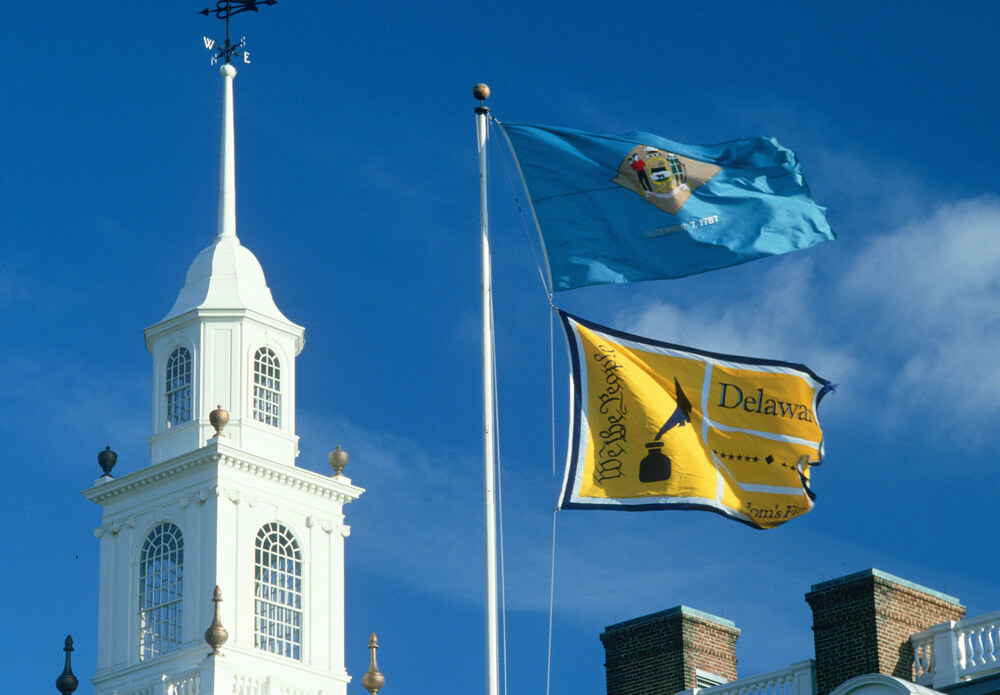
As of February 2, 2026, all Delaware Trade Name/DBA registrations will shift from Delaware Superior Court prothonotaries to the Delaware Department of Revenue. This effectively makes Delaware DBA registration a state filing instead of a county filing.

""/
Compliance

Forced DBA, Elected DBA: What’s the Difference?

A DBA is a document that an entity files within a jurisdiction in which they conduct business when they are “doing business as” or under a name that is different from its incorporating name. A DBA is also known as a “trade name” or a “fictitious name.” Typically, entities must file and maintain DBAs in all jurisdictions in which they do business. And it’s worth noting that every jurisdiction has its own DBA rules, fees and deadlines.

But what most entities don’t know is that there are two types of DBAs: a forced DBA and an elected DBA. Here’s how they’re different and when they’re used.

""/
Compliance, Registered Agent

How to Get a Certificate of Incumbency

A certificate of incumbency, also sometimes referred to as a statement of incumbency or incumbency certificate, is an official document that may include the following information:

  • When and where the company was formed, as well as the state file number
  • Registered Agent details for the company
  • Names and titles of company officials
  • Shareholder names, titles, and stock ownership details
  • Status in the jurisdiction of formation

Most often, corporations and LLCs secure them on an as needed basis for third parties who require formal documentation verifying corporate information. For example, a bank may want to verify officer and director information as part of the loan application process.

Privacy Settings
We use cookies to enhance your experience while using our website. If you are using our Services via a browser you can restrict, block or remove cookies through your web browser settings. We also use content and scripts from third parties that may use tracking technologies. You can selectively provide your consent below to allow such third party embeds. For complete information about the cookies we use, data we collect and how we process them, please check our Privacy Policy
Youtube
Consent to display content from - Youtube
Vimeo
Consent to display content from - Vimeo
Google Maps
Consent to display content from - Google
Spotify
Consent to display content from - Spotify
Sound Cloud
Consent to display content from - Sound